The Allure of the Casino Environment
Entering a casino is akin to stepping into an alternate reality designed to captivate and enthrall. From the moment one crosses the threshold, the air is filled with a blend of excitement and anticipation. The purposeful arrangement of lights, sounds, and visuals creates an environment that stimulates all the senses. The mesmerizing lights of slot machines, the rhythmic sounds of spinning reels, and the chatter of fellow players combine to craft an intoxicating atmosphere that encourages individuals to immerse themselves in the experience, especially as they explore the best nongamstop casinos uk for a variety of gaming options and rewards. This carefully curated ambiance not only attracts players but also prolongs their stay, encouraging them to spend more time—and money—within the casino walls.
The design of casinos plays a significant role in shaping player behavior. The open layouts and strategically positioned games foster an instinctual flow, allowing gamblers to navigate effortlessly from one gaming station to another. Players can easily lose track of time as they become engrossed in the multitude of choices available. Furthermore, the colors that dominate the space—such as vibrant reds and rich golds—are no accident; they are scientifically chosen to evoke feelings of excitement and luxury. This color psychology subtly encourages players to engage more deeply with the games, enhancing the overall thrill of the gambling experience.
Moreover, the social aspect of casinos cannot be overlooked. The presence of communal spaces, such as bars and lounges, fosters a sense of camaraderie among players. Engaging in shared experiences—whether celebrating a win or commiserating over a loss—creates a community atmosphere that enhances the thrill of gambling. This social dynamic can lead to extended play, as individuals are influenced by the emotions and energy of those around them. In this way, the casino environment is more than just a backdrop; it is an active participant in the psychological journey of the gambler, making it challenging for players to resist its allure.
The Role of Luck and Randomness
At the core of gambling lies the unpredictable nature of luck, which significantly shapes how players perceive their odds. The inherent randomness of casino games is both thrilling and addictive, as players grapple with the excitement of uncertainty. Many gamblers harbor an illusion of control, believing that their choices or rituals can sway the outcome in their favor. This phenomenon, known as the „illusion of control,“ leads players to engage in behaviors such as employing specific betting patterns or carrying lucky charms, despite the reality that the odds remain unchanged regardless of their actions.
This overestimation of control can lead to heightened gambling activity, as players chase the thrill of winning against the backdrop of chance. The rush that accompanies a potential win—especially in games characterized by high levels of randomness, like slots or roulette—fuels a desire to gamble more. This enticing unpredictability can create a trap where individuals lose track of time and money, lured by the prospect of hitting it big. The emotional high associated with these experiences can overshadow the rational understanding of risk and reward, leading to potentially detrimental outcomes.

Cognitive biases also play a significant role in shaping gambler behavior. For instance, the gambler’s fallacy—where individuals believe that past outcomes influence future ones—can result in illogical betting decisions. A player might observe a number that hasn’t appeared in a while and irrationally conclude it’s „due“ to win soon, leading to increased bets on that number. This flawed reasoning often exacerbates losses, as individuals become trapped in a cycle of chasing their perceived expectations rather than acknowledging the inherent nature of risk in gambling.
The Emotional Rollercoaster of Winning and Losing
The emotional landscape of gambling is a tumultuous journey marked by extreme highs and lows. Winning, even modest amounts, can trigger the release of dopamine, a neurotransmitter associated with pleasure and reward. This biochemical reaction reinforces gambling behaviors, as players seek to replicate the euphoric sensations linked to wins. Moreover, the thrill of a near-miss—a situation where the outcome is tantalizingly close to a win—can evoke intense emotions, keeping players engaged in the game despite not receiving tangible rewards.
On the flip side, the experience of losing can induce feelings of frustration and disappointment. Many gamblers engage in „loss chasing,“ a behavior characterized by the urge to recover losses by continuing to gamble. This often leads to a dangerous cycle where individuals escalate their bets in hopes of a significant win, ignoring the realities of their financial situation. The psychological toll of this behavior can be severe, as players become entrenched in a mindset that dismisses logical reasoning and rational financial decisions.
The interplay between winning and losing not only impacts individual gamblers but also affects their social relationships. During losing streaks, individuals may isolate themselves, withdrawing from social circles that could provide support. Conversely, successful wins may lead to boasting and jealousy among peers, creating tension within friendships. This emotional rollercoaster distorts perceptions of gambling, often overshadowing the negative consequences that can arise from excessive play. The psychological factors at play illustrate how deeply intertwined gambling is with emotion, frequently leading players to prioritize fleeting highs over long-term wellbeing.
The Impact of Marketing and Player Rewards
Casinos deploy sophisticated marketing strategies aimed at attracting and retaining players, utilizing psychological insights to maximize engagement. One of the primary methods involves loyalty programs and rewards systems that offer tangible incentives for players to return. These programs foster a sense of belonging and recognition, enhancing emotional ties to the casino. When players feel valued and appreciated, they are more likely to overlook the potential negative implications of their gambling behaviors in favor of the rewards they receive.
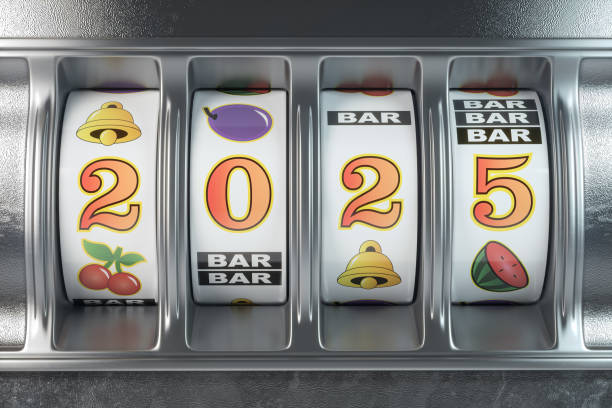
Targeted advertising further amplifies this effect, often showcasing the glamorous lifestyles associated with winning. Advertisements that highlight luxurious experiences and the thrill of big wins create an idealized narrative that can lead individuals to underestimate the risks involved. This „fantasy effect“ focuses attention on the allure of potential winnings while sidestepping the reality of gambling’s inherent risks. Consequently, players may be driven to make impulsive decisions that prioritize short-term excitement over long-term consequences.
Additionally, many casinos employ psychological techniques such as variable reinforcement schedules, which reward players inconsistently but at opportune moments. This unpredictability heightens excitement and conditions players to anticipate rewards, even when they are not guaranteed. Such tactics can significantly influence decision-making, making players more likely to engage in risky behaviors that align with the casino’s profit motives. By creating an environment where rewards are sporadic yet enticing, casinos effectively cultivate a culture of continued play, regardless of the potential costs to the gambler.
Understanding Responsible Gambling
As the complexities of gambling psychology reveal a darker side, the significance of responsible gambling becomes increasingly apparent. Recognizing the signs of problematic gambling behavior is vital for individuals and the wider community. Educational initiatives aimed at raising awareness about the risks associated with gambling are essential to empower players to make informed choices. Resources and support systems can play a crucial role in helping those caught in cycles of addiction to seek help and regain control over their gambling habits.
In recent years, many casinos have taken steps to embrace responsible gaming initiatives, implementing measures that promote healthy gambling practices. These strategies often include setting time limits, providing self-exclusion options, and offering access to resources for problem gambling. By prioritizing the well-being of players, casinos can help mitigate the adverse effects of gambling, ensuring that the experience remains enjoyable rather than destructive. This shift not only benefits individual gamblers but also enhances the casino’s reputation as a responsible entity within the gaming industry.
Ultimately, a comprehensive understanding of the psychological elements at play in casino gambling empowers players to navigate this thrilling yet precarious landscape more wisely. By fostering a culture of awareness and responsibility, both casinos and gamblers can enjoy the excitement of gaming while minimizing inherent risks. Supporting responsible gambling not only safeguards individuals but also contributes to a more sustainable and positive image of the industry as a whole, reinforcing the notion that entertainment should be enjoyed with caution and care.

